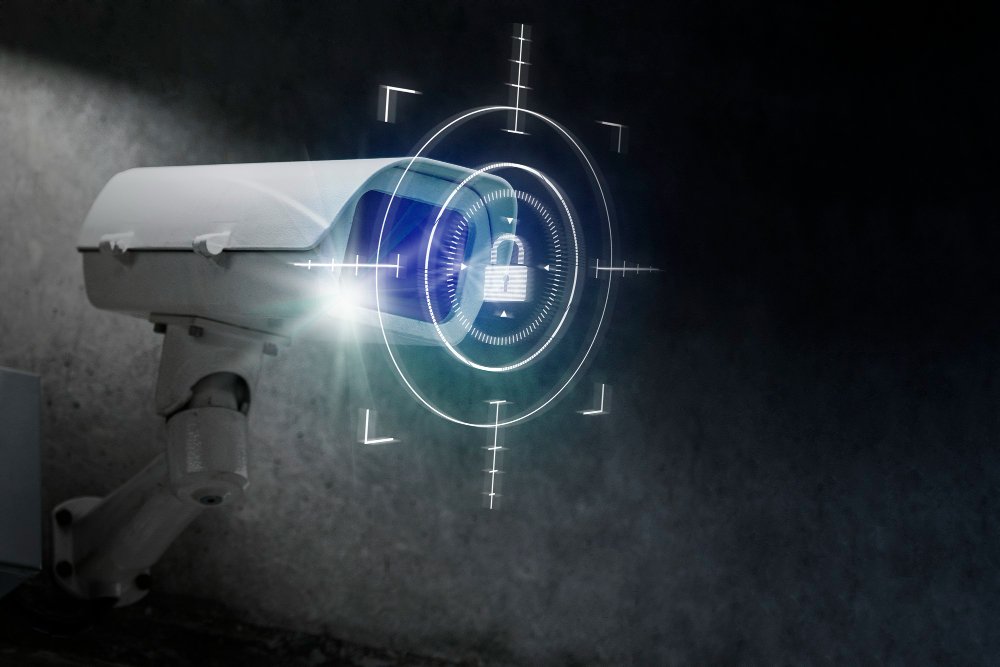


How Protective Surveillance Prevents Incidents
Protective surveillance is a proactive security measure that stops threats before they materialise. Rather than reacting to incidents, it uses trained observers and technology to detect, deter, and disrupt potential harm to individuals or assets.
The core purpose
At its heart, protective surveillance aims to spot trouble early. Teams monitor environments — not the protectee — to identify suspicious patterns: repeated presence of unknown persons, loitering vehicles, or attempts to gather personal information. By catching these signs early, security teams can intervene before a threat evolves into an attack.
How it works
Surveillance operatives blend into surroundings, using urban camouflage and route anticipation to stay unnoticed. They focus on high‑risk zones — near residences, workplaces, transit routes, or event venues — watching for behaviours that signal intent: nervous pacing, repeated glances at security, or unnatural interactions (like pretending to use a phone while observing).
In parallel, technical tools enhance human observation. Binoculars and body‑worn cameras improve clarity, while encrypted communication ensures coordination. AI‑powered facial recognition and anomaly detection scan crowds for known threats or unusual movement patterns. Geospatial software maps high‑risk areas (narrow alleys, poorly lit streets), helping teams prioritise attention.

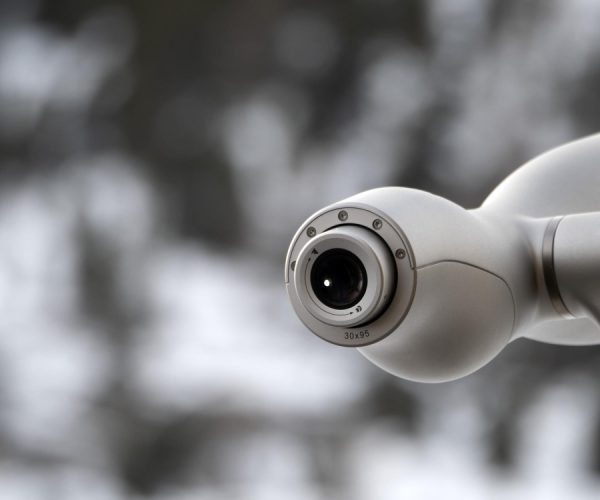
Preventing incidents in action
The value lies in disruption. Most attacks require reconnaissance — and surveillance breaks that cycle. When potential attackers sense they are being watched, they often abandon plans due to increased risk of exposure. Even if they persist, early detection allows security teams to:
- alert close protection officers to adjust formation or speed;
- trigger alarm protocols at monitoring centres;
- engage law enforcement for pre‑emptive interdiction.
This synergy turns observation into actionable defence.
Ethical and legal boundaries
Effective surveillance respects legal and privacy norms. Operatives follow local laws, limit data collection to necessary purposes, and store information securely. Regular audits and command‑level reviews prevent misuse. Meanwhile, transparency with the protectee — explaining methods without compromising tactics — builds trust.
When it’s essential
Protective surveillance is most critical in high‑threat environments, during public appearances, or when facing stalking and harassment. It is also vital for long‑term protection, where predictable routines create vulnerabilities.
Conclusion
Protective surveillance isn’t about constant monitoring — it’s about strategic prevention. By combining human expertise with technology, it detects threats early and disrupts attack planning, transforming security from reactive to proactive. In an age of covert and sophisticated risks, this layer of defence is indispensable.
Contact Osprey Risk to integrate protective surveillance into your security strategy.