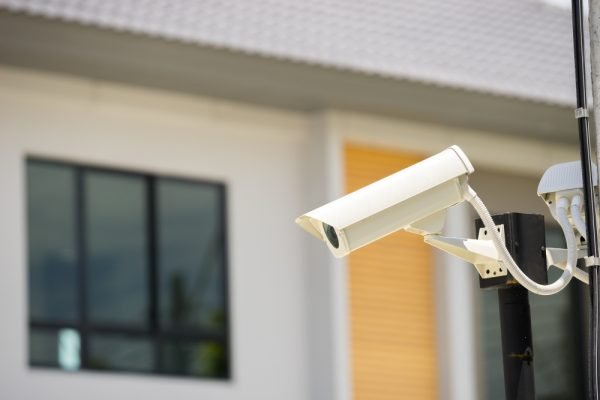


Residence Security: The Layers That Matter in 2025
As urban environments grow more interconnected and threat landscapes evolve, residential security is no longer about a single lock or alarm. Today’s effective home protection relies on layered defence — a coordinated system of physical, technological, and procedural measures that work together to deter, detect, delay, and respond. Osprey Risk outlines the essential layers that matter in 2025.
Why Layered Security?
A single point of failure (e.g., a compromised smart lock) can undermine a seemingly secure home. Layered security ensures that if one measure is breached, others remain in place to:
- deter opportunistic intruders;
- detect unusual activity early;
- delay intrusion long enough for response;
- enable rapid, informed intervention.
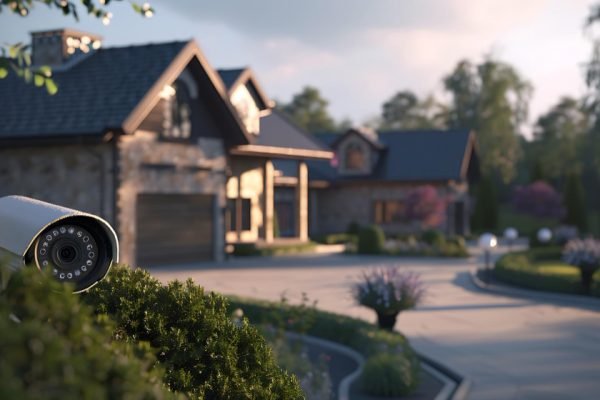
The Core Layers of Modern Residence Security
Emerging Trends in 2025
- AI‑driven threat prediction: Machine learning analyses patterns to flag anomalous behaviour (e.g., repeated “curious” visits).
- Biometric access: Wider adoption of facial recognition and fingerprint scanners for seamless yet secure entry.
- Drone patrols: Autonomous drones for large properties, providing aerial surveillance and rapid response.
- Integrated wellness monitoring: Security systems that also detect medical emergencies (e.g., falls, irregular heart rates).
Conclusion
In 2025, residence security is a dynamic, multi‑layered discipline. It combines hardened perimeters, intelligent technology, robust procedures, and informed occupants. No single solution suffices — but a cohesive strategy dramatically reduces risk.
Osprey Risk helps homeowners and property managers:
- conduct vulnerability assessments;
- design custom layered security plans;
- integrate smart technologies safely;
- train residents and staff.
Protect not just your home, but your way of life.
Contact Osprey Risk to build your 2025 residence security framework.